

Computer Science
Software engineering, algorithms, programming languages, computer architecture, and the design of computational systems.

Between code and consciousness.
Interested in the structures behind complex systems — from software and networks to human cognition, psychology, and philosophy. I explore how things work, why they work, and what remains unknown.
An approach to examining ideas, evaluating arguments, questioning assumptions, and reaching conclusions through reason and evidence.
I approach ideas by examining the reasoning behind them rather than accepting conclusions at face value. I am interested in understanding why a claim should be believed, what evidence supports it, and whether the reasoning leading to it is logically sound.
I value the ability to distinguish facts from assumptions, evidence from interpretation, and valid arguments from persuasive but flawed reasoning. Identifying logical fallacies, cognitive biases, and hidden premises is an essential part of this process.
Critical thinking also requires examining my own beliefs. I recognize that reasoning is not immune to bias, and that the desire to defend a conclusion can interfere with the ability to evaluate it objectively. Being willing to revise a position when presented with stronger evidence matters more than preserving the appearance of being right.
I am interested in how critical thinking connects with psychology, epistemology, and decision theory: how beliefs are formed, how knowledge can be justified, how uncertainty should be handled, and how we can make better judgments despite the limitations of human reasoning.
The goal is not to defend what I believe, but to understand whether my reasons for believing it are justified. Personal principle

Separate disciplines often describe different layers of the same complex reality. These are some of the areas I use to investigate it.
Software engineering, algorithms, programming languages, computer architecture, and the design of computational systems.
Neural processes, perception, memory, attention, consciousness, and the relationship between physical processes and subjective experience.
Human behavior, cognitive biases, reasoning, decision-making, beliefs, and the mechanisms that influence how people think.
Epistemology, ontology, philosophy of mind, and questions about knowledge, reality, existence, and the limits of explanation.
Projects are a way to test understanding. Building something forces abstract ideas to confront practical constraints, implementation details, and unexpected behavior.
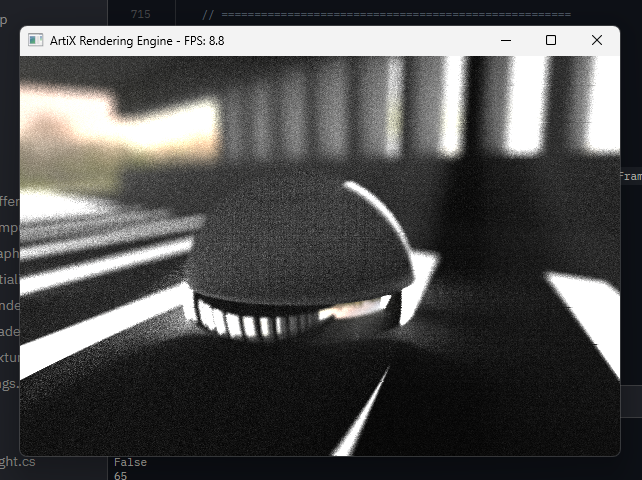 PROJECT / 001
An experimental rendering project exploring path tracing, compute shaders, ray-based rendering, and the mathematics behind realistic image synthesis.
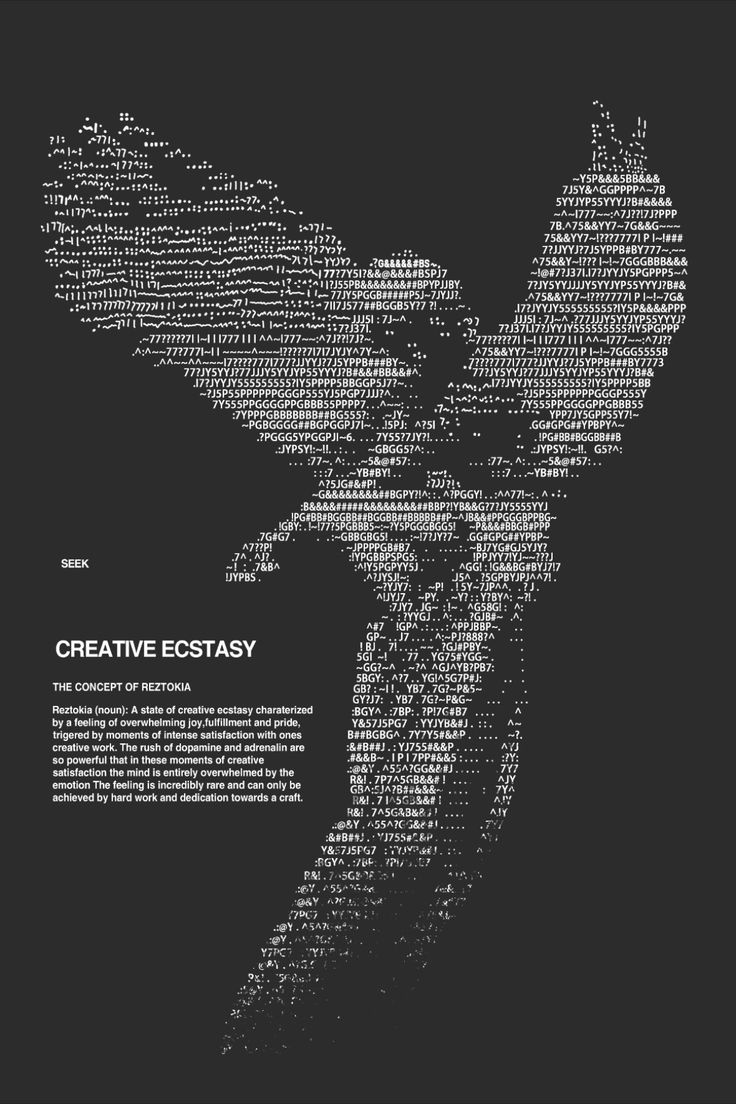 PROJECT / 002
A developing knowledge framework for organizing mental models, cognitive biases, philosophical concepts, and relationships between ideas.
 PROJECT / 003
A collection of software experiments involving Discord bots, APIs, automation, language models, and the architecture of maintainable applications.
An evolving collection of questions, observations, and ideas worth investigating. Not a collection of final answers, but a record of the reasoning that leads toward them.
A system is more than the sum of its isolated components. Interactions, constraints, feedback, and emergent behavior can produce properties that are difficult to infer from individual parts alone.
Systems ThinkingAccess to information does not guarantee understanding. Understanding requires useful representations, relationships between concepts, and the ability to apply knowledge beyond the situation in which it was acquired.
Learning & CognitionThere is a difference between an observation, an interpretation, and an explanation. Examining the evidence and assumptions behind a claim helps distinguish justified conclusions from plausible but uncertain beliefs.
EpistemologyDescribing the mechanisms responsible for perception and cognition is not automatically the same as explaining subjective experience. Understanding where these explanations meet remains an important question in the philosophy and science of mind.
ConsciousnessI am interested in thoughtful discussions about programming, computer science, psychology, philosophy, and the mechanisms behind complex systems. If you are working on something interesting or have a question worth examining, feel free to get in touch.